Somewhere between the second monitor and the third notification, the evening quietly disappeared.
For a lot of us in the city, the day no longer ends — it just dims. Work follows us home in our pockets. The commute eats the hours that used to be ours. Dinner happens with a laptop half-open. The line between "on" and "off" has blurred so gradually that most of us stopped noticing there was a line at all.
It wasn't always like this. Not so long ago, the evening was its own distinct thing — a shift the whole house could feel. The lights changed. The pace dropped. There was a pouring of something, a sitting down, a conversation that wasn't about getting anything done. The end of the day had a shape.
That shape did something for us. The wind-down hour is when the body actually processes the day — when stress hormones are meant to fall, when the nervous system is supposed to move from doing to being. Skip it, rush it, or fill it with more screen, and the day never really closes. You just carry it into the next one.
We don't think the answer is a rigid routine or a two-hour ritual nobody has time for. It's smaller than that. It's about reclaiming the time that's truly yours — a deliberate line between the part of the day that belongs to everyone else and the part that belongs to you.
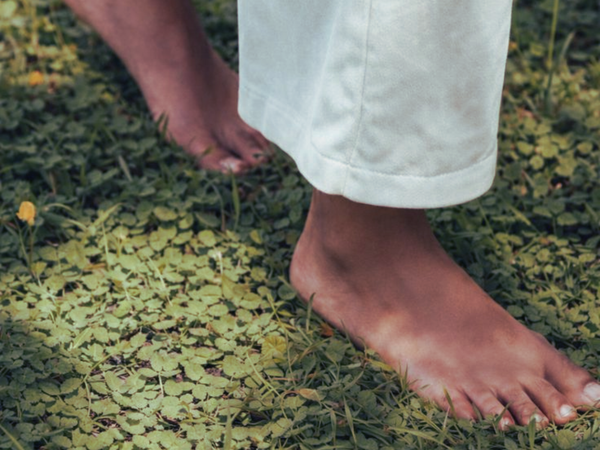
That line can be almost anything. Dinner without your phone. A walk after the plates are cleared. A record, start to finish. A cold drink, poured properly, in a quiet kitchen. The point isn't what you do. It's that you mark the moment at all.
The evening isn't lost. It's just waiting for you to claim it back. Remember to find time to Unwynd.